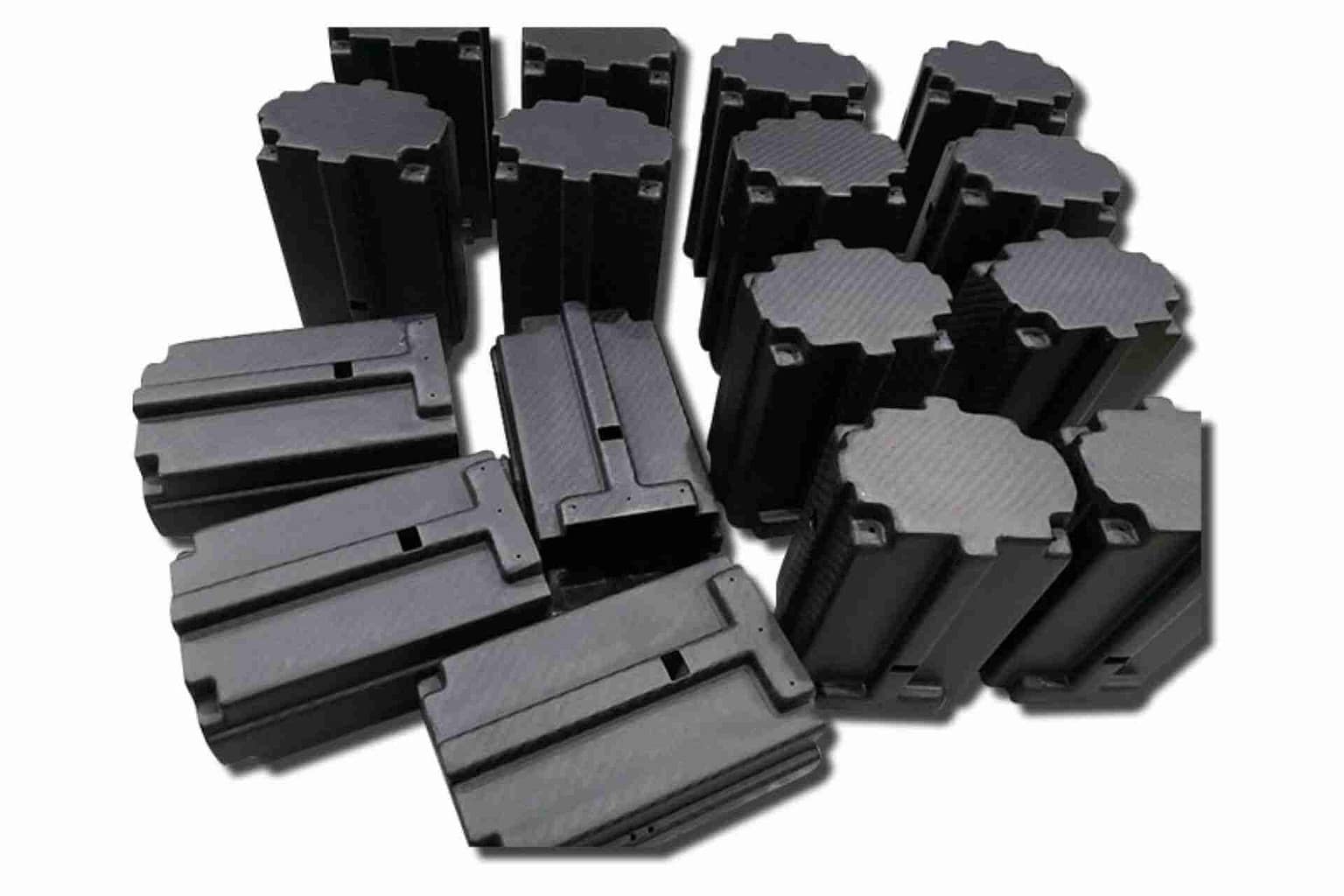
Looking to increase payload capacity with lighter members carbon fiber plates offering a refined surface for painting or veneering?
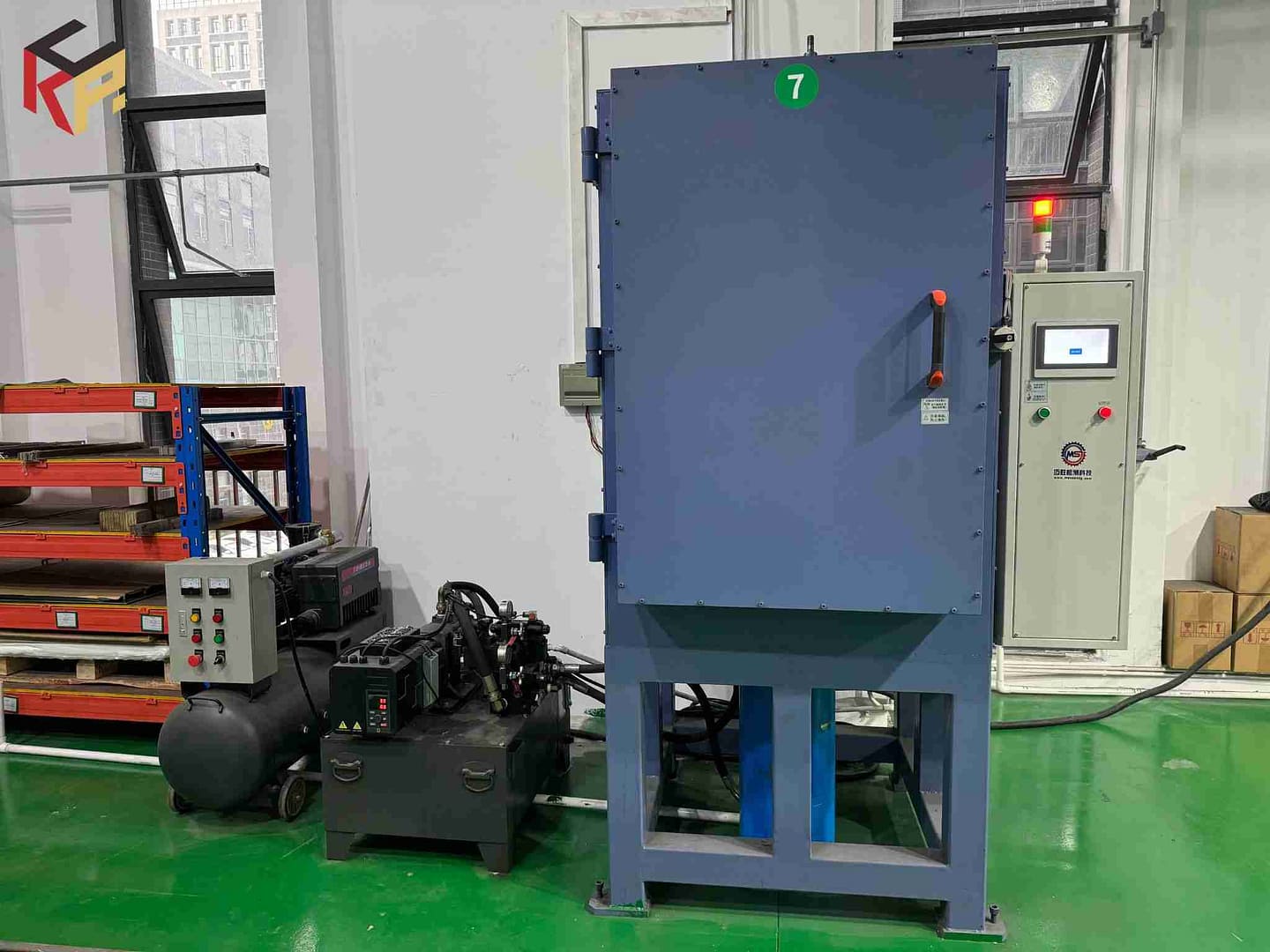
Carbon fiber tubes boast an outstanding strength-to-weight profile ideal for high-demand uses where durability and mass reduction are vital
Formed by impregnating carbon fiber reinforcements with a structural resin matrix, these tubes become lightweight composite elements
High-quality aligned carbon strands grant exceptional tensile performance and stiffness, and the lightweight resin helps minimize mass
The merged benefits of strength and lightness enable creation of structures that are resilient yet weight-efficient
These advanced tubes are utilized across aerospace, automotive, recreational sporting and medical device industries
Within aviation, carbon fiber tubes contribute to lighter fuselages and wings, enhancing fuel efficiency and operational performance
Similarly, automotive applications employ carbon fiber tubing in suspension and chassis components to boost handling and reduce mass
Precision-crafted carbon fiber square tubes for dependable structural performance
For projects prioritizing lightweight design combined with structural reliability, carbon fiber square-section tubes offer a superior option
These precision-made components combine notable mechanical properties with flexible design adaptability, enabling varied applications
Constructed by embedding woven or unidirectional fibers in resin, these tubes show notable resilience to compressive and tensile stresses
Square carbon fiber tubes’ structural stiffness positions them well for use where integrity under load is essential
Applied to aerospace, automotive chassis, and performance sport equipment, these square tubes deliver reliable behavior under severe loads
Moreover, the low mass of these tubes aids in improving fuel consumption and optimizing system efficiency
- Likewise, dimensional accuracy promotes easy assembly incorporation and curtails the need for costly adjustments
- As a result, square carbon fiber tubes are widely adopted as key materials by industries focused on innovation and efficiency
Rectangular carbon fiber tubing engineered for bespoke shapes and peak efficiency
The material exhibits a remarkable balance of strength and low mass plus stiffness, making it suitable for demanding uses
In particular, rectangular and prismatic carbon fiber tubes achieve outstanding results due to their optimized geometries
Custom production enables rectangular carbon fiber tubes to meet exact structural and load-bearing specifications
Whether the need is aerospace, sports or industrial, suppliers can custom-fabricate rectangular carbon fiber tubes to tight tolerances
Adaptability in design and production helps create solutions that maximize performance and enhance practical functionality
Structural carbon fiber plates combining stiffness with high impact resistance
The plates’ notable stiffness makes them appropriate where high load capacity is required
Constructed with carbon fiber reinforcements within a polymer matrix, these plates show superior resistance to bending and shape change
Impact resilience stems from carbon fibers’ capacity to dissipate energy, giving plates toughness without brittle fracture
Next-generation composite assemblies using carbon fiber tubes and plates for superior outcomes
Carbon fiber composites, including CFRP tubes and plates, are preferred for their exceptional mechanical and strength-to-weight properties
The lightweight but tough nature of carbon fiber composites enables adoption across aerospace, automotive, sports and niche consumer sectors
Advanced fabrication permits shaping these materials into detailed parts while preserving mechanical stiffness and durability
Manufacturing progress continues to lower costs and scale production, expanding availability to more industries
Carbon fiber components provide notable benefits over legacy materials, offering greater strength at lower weight
Their durability against corrosion and fatigue supports longer life cycles and dependable performance in demanding contexts
Carbon fiber composites’ outstanding capabilities are fueling innovation and influencing the trajectory of modern engineering
Delving into practical implementations and applications of carbon fiber tubes and plates
These composite elements are robust and have achieved strong recognition and adoption across diverse industries
Their excellent strength-to-weight balance and mechanical performance suit a wide variety of applications
Applications commonly include aerospace, automotive and construction where structural integrity and durability are essential
In the sports sector these composites are commonly used for frames, shafts and racquets to deliver competitive performance advantages
Medical device makers use carbon fiber tubes and plates for prosthetic and surgical solutions due to their favorable properties
Weight reduction techniques using carbon fiber tubes and plate technologies
The use of carbon fiber composites makes it possible to reduce mass significantly while keeping high mechanical performance
Common tube applications include lightweight, stiff structures such as bicycle frames and turbine blades
For aircraft and spacecraft structural components, plates provide robustness and stiffness needed under load and environmental challenge
Innovative material technologies extending what carbon fiber can achieve
Carbon fiber represents a materials science marvel noted for superior strength and toughness
The fusion of thin carbon fibers and a polymer matrix creates a composite that is both light and mechanically strong
Carbon fiber deployment rises in aerospace and automotive thanks to clear benefits in fuel efficiency and performance from lighter structures
By employing carbon fiber in vehicle structures, manufacturers achieve lighter weight and stronger parts that help handling and safety
From aircraft to cars, carbon fiber structures show flexible applicability across multiple sectors
These composites revolutionize industries such as aerospace and automotive through superior strength-to-weight performance
Lightweight carbon fiber enables the construction of performance-driven, fuel-efficient and enduring vehicles and aircraft
In automotive applications carbon fiber integrates into body panels, chassis parts and sometimes full structural frames to lower weight and boost performance
Carbon fiber plate and tube technology is continually pushing engineering frontiers
Using carbon fiber tubes and plates enables industry-wide transformations based on their superior strength-to-weight ratios
Carbon fiber’s lightweight robustness makes it applicable in critical performance areas including aerospace, automotive and medical uses
In aerospace applications they contribute to reduced fuel consumption and enhanced aerodynamic performance
In cars, integrating carbon fiber lowers vehicle mass, boosting acceleration, handling and operational efficiency
- Optimally using carbon fiber needs insight into material response, production limitations and design balance choices To maximize benefits, designers must understand carbon fiber mechanics, manufacturing restrictions and the trade-offs involved Optimally using carbon fiber needs insight into material response, production limitations and design balance choices Successful implementation requires knowledge of carbon carbon fiber sheets fiber behavior, fabrication methods and necessary design compromises
- Prospects look promising for wider use and advancement of carbon fiber tube and plate technologies
- Continued R&D efforts will further refine performance traits and widen the range of possible uses
- Thus, the role of carbon fiber materials in future engineering and manufacturing is expected to grow significantly
Maximizing carbon fiber performance: a comprehensive practical guide
Carbon fiber’s exceptional strength-to-weight and stiffness make it a premier choice for enhancing performance across sectors
This guide explores carbon fiber properties, applications and practical integration methods to help you use it effectively
From aerospace and automotive engineering to sports and electronics, carbon fiber contributes to superior performance
To harness carbon fiber well you must grasp its mechanical behavior, production constraints and relevant design trade-offs
An examination of how these properties translate to real-world applications.